
By Kay Frazier
I’d like to think of myself as a kind, caring person—not sexist or racist or any -ist–but having a verbally racist parent and growing up in the 1950s and ‘60s in a small, rural town of only “white” folks, with Italian or French ancestry being considered “exotic”, I don’t have that luxury.
I do have at least one advantage helping me out of that–that of being an outlier in my family—and community? — from teen years on. So, like some of those folks in the book How Minds Change, I needed to go searching outward for my “tribe”. This survival trait of “tribe”, so deep some would prefer to physically die rather than be an outcast.
So, after graduating from high school, I went out exploring to different churches, friends of different ancestry, different cultures through college groups and books and work. Through working to listen to the “other”, I married someone of Puerto Rican ancestry—different enough from the white males that had harassed me, but “whiteish” enough for my family.
And the weeds in my mind started popping up. In my late 20s, my mother told me I was part Native American; later, someone noted that since my great-great-grandmother was female, I might also be part African. Whoa!! Oh, weed! Read some more, listen some more. Friends of Asian, Puerto Rican and African ancestry. Start trying to even the playing field here and there, continuing to weed out the garden of my mind and plant new loving seeds instead. Listen to Maya Angelou in college, read Langston Hughes, admire the artistry of Faith Ringold and the art of Asian, African and Native American. Read of the rich and vibrant African nations of the past.
As I read and listened, I began to understand the depth and breadth of sexism and racism in our country. I began to act, at least in small ways, to work at weeding the garden not just of myself, but of our society.
At the emergency child care, when the black child chose the blue-eyed, blond doll, I chose the darkest doll and said, “I think this one is pretty.” Just one thin thread. I contribute money and some energy to MOSES, for relieving the extra burden our current “justice” system places on black people. I attended gay concerts. I contributed some money to the Native American center in Milwaukee. I worked to be at least— or a little more— as polite to our brown or black citizens as I would be to any “white”, to counteract some of the mico-aggressions they receive daily.
So, what does all this have to do with three books?
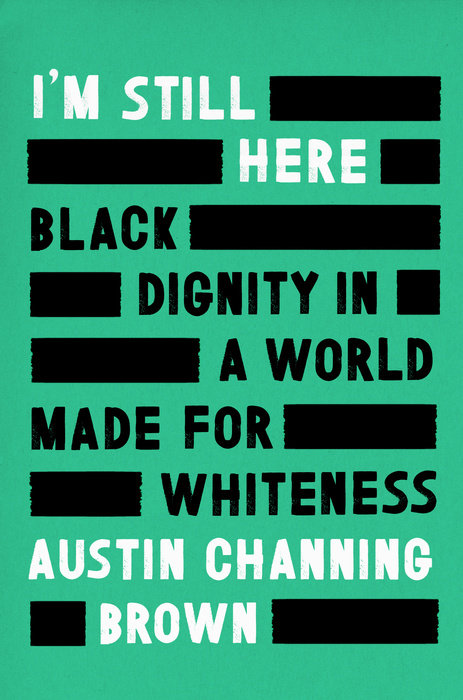
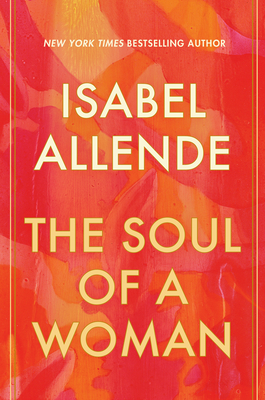
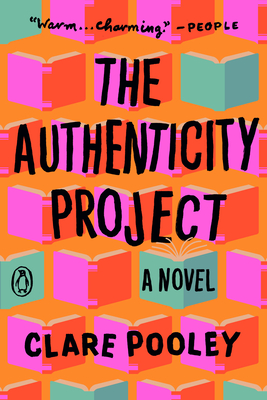
Recently, I got three books from the public library, two non-fiction on the “Good Books to Read” stand at Pinney Library, and the other, an earlier novel written by the author of a current bestseller. The novel was The Authenticity Project, by Claire Pooley, set in the UK. The two non-fictions were The Soul of a Woman by Isabel Allende and I’m Still Here: Black Dignity in a World Made for Whiteness by Austin Channing Brown.
Lonely and depressed, an aging artist starts an Authenticity Project, writing his truth in a journal and leaving behind both the journal and a challenge for others to write their truth. Various people pick up the journal, write their truth and, sometimes, as they read others’ entries and interact with each other, their truth changes.
As I read the truth in Isabel Allende’s and Austin Channing Brown’s books, my perspectives also changed somewhat. I realized how often I’ve settled for or appeased to “white male truth”. I realized more clearly just what the micro-aggressions blacks have complained about are, the emotional toll of these microaggressions, and how often they might happen, even in just one day. Words and gestures can hurt. When I dealt with these in my family, I sometimes wished I would just be hit, so I could show the physical bruise or broken bone. As a result of these books, I’m re-thinking of where and how I want to spend my time, energy and money.
Another novel I read talked about a character that was “nice” (read: polite), but not “kind” (read: caring) and another that was not nice, but was kind. How can I continue shifting and growing my life to be authentically true and kind and leave the world just a little kinder before my exit call? You?
MAKMAS (Make America Kind, Make America Sane)
- The Authenticity Project, by Claire Pooley
- The Soul of a Woman, by Isabel Allende
- I’m Still Here: Black Dignity in a World Made for Whiteness, by Austin Channing Brown
© 2026 Kay Frazier
Kay has been writing in various forms since a child, beginning in elementary school with creating and telling fantasy stories to a captive audience on the long ride of a rural school bus. She has had published a scattering of poems and articles and has given a few church talks. So far, though, the only money she has received was a dime from Bobby in the seventh grade for writing a story for him in English class. (I wasn’t pulled in later by the teacher; I don’t think he was, either.) Ten cents bought a lot of penny candy at the small neighborhood grocery store. However, for now, shared enjoyment or a new perspective is enough. Kay also enjoys hiking, biking, singing, reading (of course!), swimming (with friends), some social justice activities and the small adventures to be found in everyday life.

 True Stories Well Told