
By Sarah White
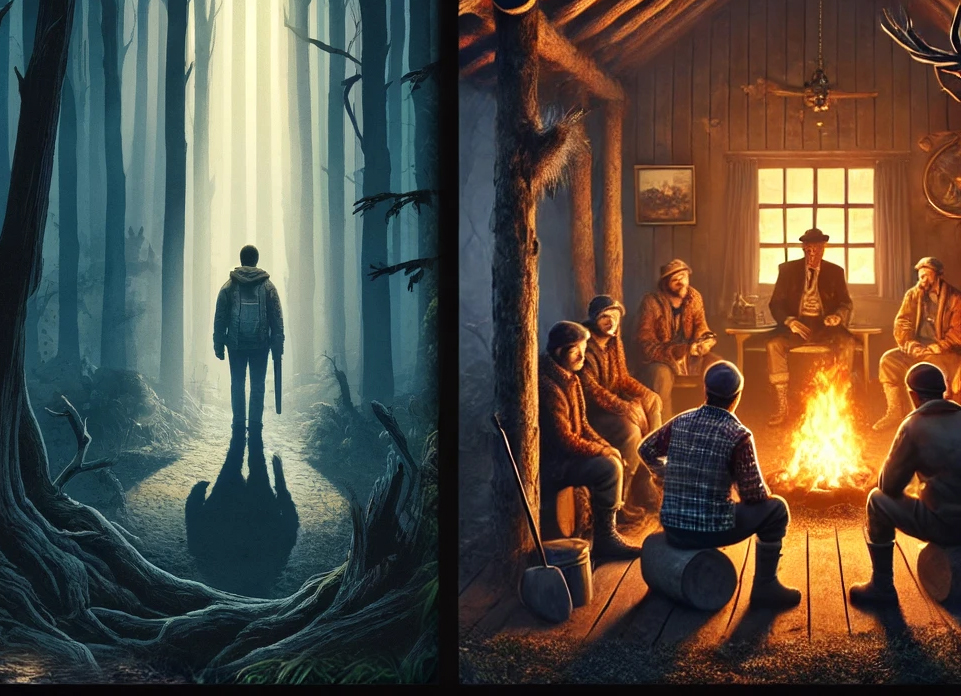
Many people hesitate to share their personal history because they think their life isn’t “exciting enough” or they feel that they aren’t natural storytellers. But life stories isn’t always about dramatic events—it’s just as often about the meaningful moments. If it shaped you, or revealed what you were already made of, those big events and small moments are stories that belong in your life story. And those moments are easier to make into compelling stories when you understand the difference between an always and a once.
Think about a memory you want to share. Maybe you’d say:
“We always went hunting in the fall.”
That’s a great start. It sets the stage, painting a picture of tradition and rhythm in your life. But for a memory to turn into a story, something needs to happen. That’s where once comes in.
“Once, when I was out hunting, I got turned around in the woods and had to spend an entire afternoon figuring out how to find my way back to camp.”
Now we have action. Now there’s something at stake. We’re rooting for you and eager to feel what you felt, see what you saw, hear what you heard, your senses heightened by your fear that day.
The once is what makes a story stick in people’s minds—it’s where something unexpected happens, where a choice has to be made, where emotion, tension, or humor creeps in.
Try it yourself.
- Start with an always: What’s something you always did as a kid? As a young adult? In your work or family life?
- Find a once: Think of a time something disrupted the usual. Did something go wrong? Did you make an unusual choice? Was there a moment of surprise, challenge, or change?
- Tell the story: Set up the situation just before the change began, describe what happened, tell us what was different after the dust settled.
Even small moments—like the time you dropped your first deer and felt the weight of it, or the time you got caught in a storm on the lake—can be powerful stories. And that’s what makes memories come alive for the people who’ll read them.
How to Prime Your Memory
If you have trouble coming up with details, here are some ways to help jog your memory and pull out a good once:
- Think of a First or a Last – The first time you did something is often memorable. So is the last time. Can you remember the first time you went hunting alone? The last time you walked to school in the snow? These moments often carry emotion and story.
- Follow the Trouble – Stories often start when something goes wrong or doesn’t go as planned. Did a gun jam? Did you take the long way home and regret it? Did you try to impress someone and it backfired?
- Look for a Turning Point – A good story usually has a before and after. Was there a day you changed your mind about something? A time you learned a hard lesson? A moment when you saw someone in a different light?
Now you’ve got your once. These tips will help you write compellingly about it.
- Go to Your Senses – What did it look like? What did it sound like? What smells were in the air? If you were hunting, was the ground muddy or frozen solid? Was there a distant chainsaw buzzing in the background, or just the sound of wind? Sensory details make memories come alive.
- Put Yourself Back in the Scene – Imagine you’re standing there again. What are you wearing? What’s in your hands? What’s happening around you? If you’re struggling, start with a small detail—maybe the weight of a shotgun on your shoulder, the scratch of wool gloves, or the feel of cold metal against your fingers.
- Talk It Out – If writing feels difficult, try telling the story out loud first. Sometimes, just hearing yourself say the words will bring up details you hadn’t thought of.
- Start Small – If a big story feels overwhelming, just pick one small detail and describe it. Maybe it’s the way the snow crunched under your boots or the smell of frying bacon at deer camp. Once you start, more will come.
The key is to remember that stories are made of moments. The big picture is important, but it’s the little things—the once—that bring it to life.
So, what’s your once?
© 2025 Sarah White

 True Stories Well Told
Love love love these tips!! Thanks for sharing – Janet
LikeLike